

Table of contents
A breeding rack is probably the most debated piece of equipment among new keepers. It looks austere, and yet almost every professional snake and gecko breeding operation in the world is built on racks. It is worth understanding why before you buy one, because a badly chosen rack will annoy you for years, while a well chosen one simply disappears into the background and works.
What a rack is actually for
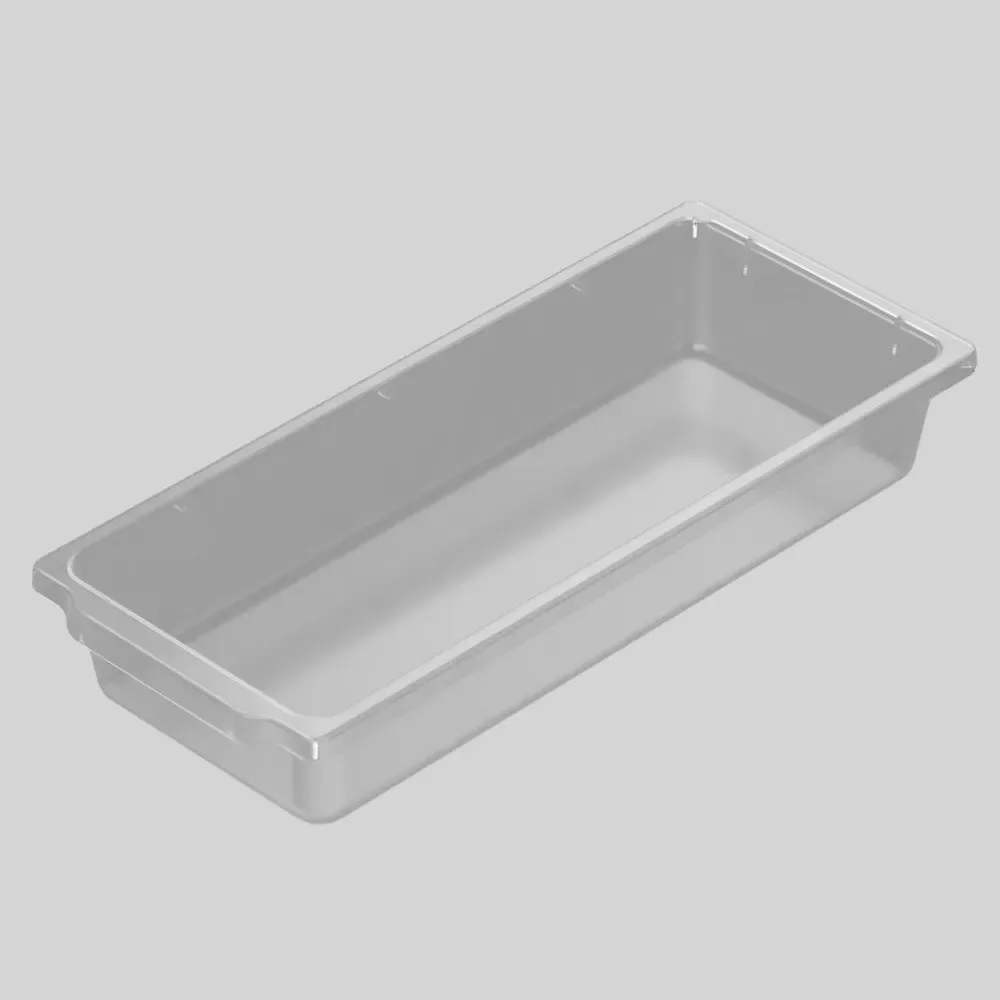
A rack is a set of sliding tubs in one frame, heated from a shared source and controlled by a single thermostat. Its main advantage is not saving space — it is repeatability. Twenty terrariums standing around a room each have their own microclimate. In a rack every tub shares the same gradient, the same humidity and the same cycle.
The second advantage is maintenance time: changing water and checking twenty tubs takes a quarter of an hour. The third is security — a tub pressed against the shelf above it gives no escape route, which matters a great deal with hatchling snakes.
Matching tub size to species
- Hatchlings and young snakes (up to 80 g) — A4 to A3 footprint, 8–10 cm high. An oversized tub genuinely increases stress and worsens feeding response at this stage.
- Sub-adult ball pythons, corn snakes, milk snakes — around 30 × 40 cm, 12–15 cm high.
- Adult ball pythons (1200–2000 g) — 60 × 40 cm minimum, 15–18 cm high; gravid females need more.
- Crested geckos and leopard geckos — racks work for grow-out only. Adult crested geckos need vertical space and belong in terrariums.
Low tubs are not a compromise: the smaller the air volume, the more stable the temperature, which is exactly why racks are so energy efficient.
PVC, wood or a ready-made system
Expanded PVC
The best material for humid setups. It does not absorb water, does not grow mould and tolerates disinfectants. The downsides are price and flex — shelves wider than 80 cm need reinforcement.
Wood and laminated board
Cheaper, stiffer and thermally insulating, ideal for dry species. With humid species every cut edge must be sealed or the board will swell within a year.
Ready-made systems
Manufacturers such as WraithRacks supply racks with pre-routed channels for heat tape, matched tubs and planned ventilation. They cost more than a home build but remove the two classic amateur mistakes: badly routed heat and no airflow.
Heating: tape, cable or film
Heat is always supplied from the back or the bottom, never from above. The standard is heat tape of 15–17 W per metre, routed in a milled channel under roughly one third of each tub floor. That one third is the point — the rest must stay cool so the animal has a gradient.
Heating cable is cheaper but harder to lay evenly; across a dozen levels the difference can reach 3 °C. Heating film gives a very even field but does not tolerate creasing.
Whatever you choose, one rule is absolute: every heat source runs through a thermostat with a probe. Heat tape plugged straight into the wall reaches 55–60 °C and will burn an animal within an hour. Place the probe between the board and the tub floor, halfway up the rack.
Target figures for ball pythons: hot spot 31–32 °C, cool end 26–27 °C, with a 1–2 °C night drop. For corn snakes, 28–29 °C and 23–24 °C respectively.
Ventilation — the part everyone forgets
A tub with no holes becomes a condensation chamber. A tub drilled all over dries out within a day. The working compromise is two rows of 4–6 mm holes on the short sides, 8–12 per side, in the upper half of the wall.
For humidity-loving species, reduce the number of holes on the warm side so vapour does not escape by the shortest route. If you see droplets on the walls in the morning you need more ventilation, not more heat.
What not to do
- Do not place a rack next to a radiator or under a window.
- Do not use thin polypropylene tubs that warp with heat and stop sealing against the shelf.
- Do not run one probe across two racks of different heights.
- Do not skip a hide because the tub is small — even a cardboard tube lowers stress measurably.
Is it worth it
Up to three animals, terrariums are nicer and more convenient. From four or five upwards a rack starts paying for itself in maintenance time and stability, and beyond ten animals it is really the only sensible answer.
This article is for information only. If your animal shows symptoms of illness, contact a veterinarian specialising in exotic species.
Gear from this article
The products described above — tested in our own breeding room.

Read next

Microchipping Reptiles and CITES Rules: What Every Keeper Should Know
CITES annexes, EU certificates, local registration and ISO 11784 transponders — a clear summary of a reptile keeper duties and how to prepare paperwork before a sale.

Reptile Brumation: When and How to Do It Safely
Brumation is not compulsory, but for many species it is the key to breeding and longevity. How to prepare an animal, what temperatures to hold, and when brumation must not be attempted.

Disinfecting Reptile Enclosures: A Complete Hygiene Guide
A clean enclosure is the cheapest form of preventive medicine. Learn the difference between cleaning and disinfecting, with real dilutions, contact times and a ready schedule.
Comments
No comments
Nobody has commented on this article yet. Be the first one.
Add a comment
Comments are moderated — we usually publish them within one working day.